El atardecer
Descripción
Mi primera experiencia política se remonta a aquellos años donde entraba en la adolescencia. En esa época Argentina estaba estallada (a veces pienso que siempre está estallada), la desocupación era enorme, la gente no llegaba a fin de mes y la juventud era blanco fácil de una policía feroz y represora.
Una noche, cuando pisaba los 13 años, mis padres me llevaron de la mano a una manifestación en la Plaza de Mayo contra el gobierno que pretendía imponer un estado de sitio. La noche fue larga y sentí por primera vez el olor a lacrimógenas. Al día siguiente, aquel presidente se escapó en un helicóptero, llevándose con él la vida de 39 personas. Era diciembre del 2001, tal vez el punto de inflexión de mucho de lo que hoy soy.
Ya en la escuela, junto con mis compañeros, comenzamos a mezclar cerveza, noche y punk rock, con los textos clásicos de Bakunin, Marx y Artaud; pretendíamos tomar el cielo por asalto.
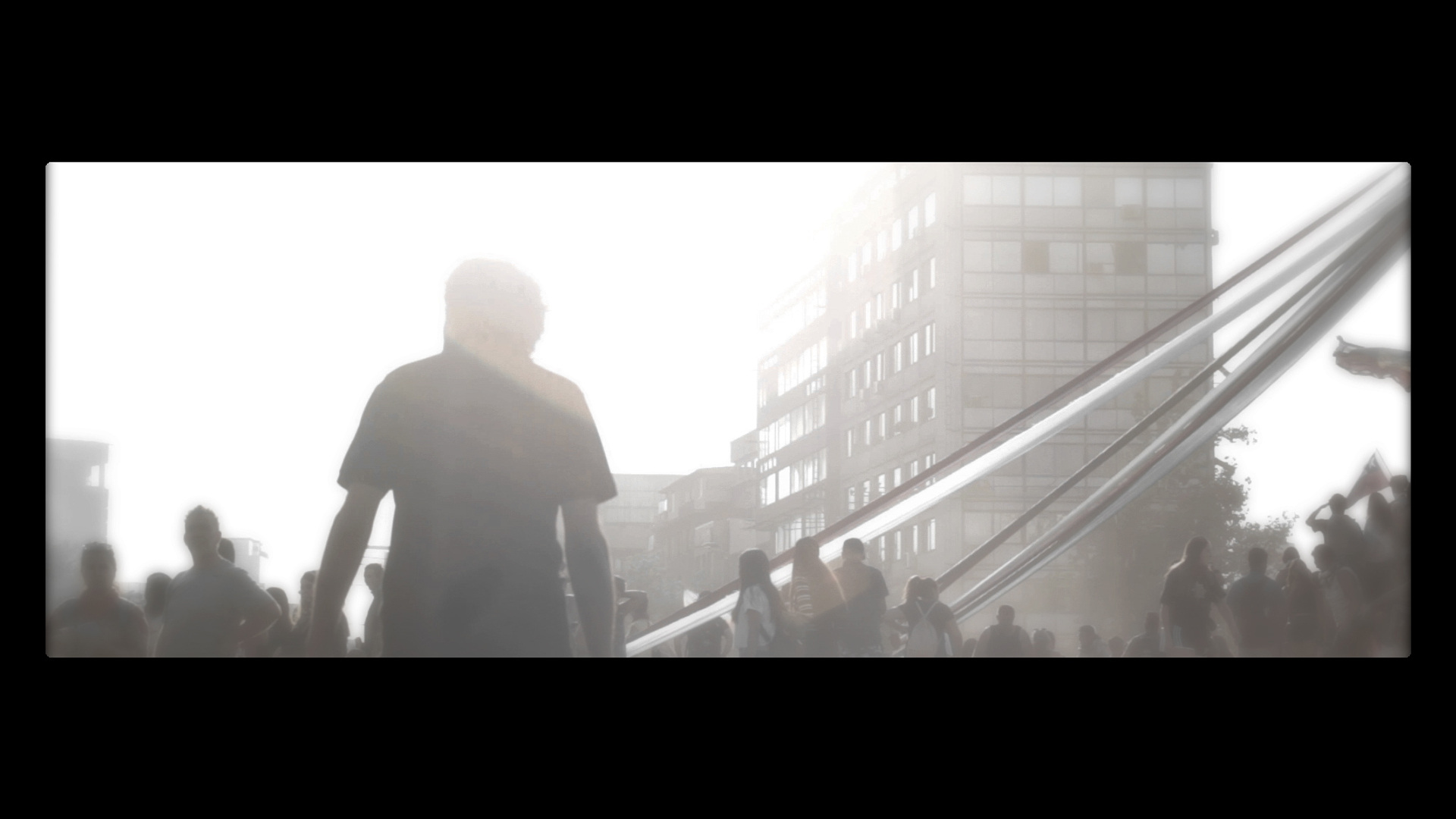
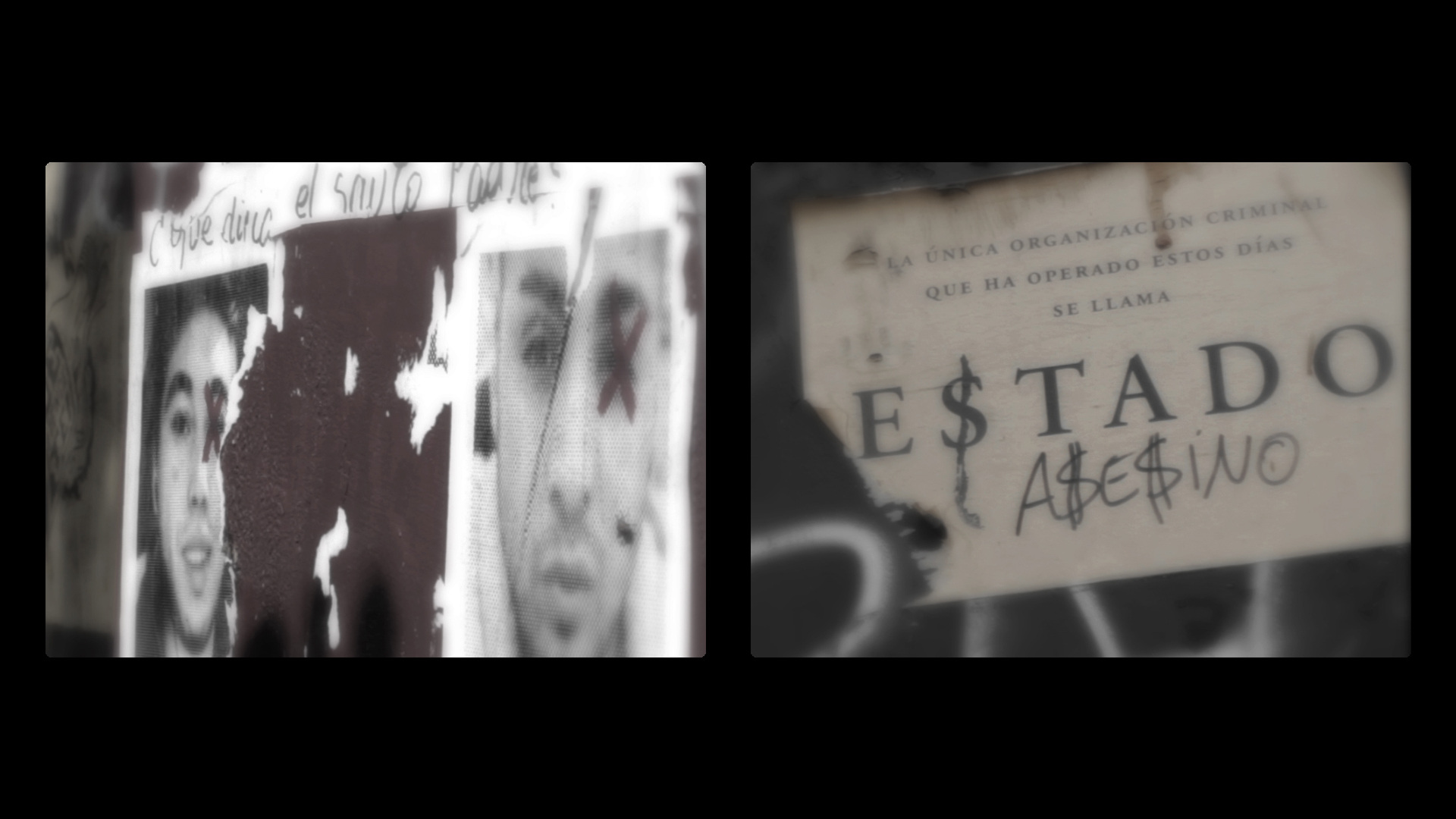
Años después me interesé por el cine como una forma de resistencia y, luego del estallido social que se vivió en Chile en octubre de 2019, tuve la oportunidad de viajar a Santiago. Me propuse navegar las calles buscando las marcas de aquel proceso. Me impactó particularmente las grandes similitudes con lo que vivió Argentina a principios de siglo, era como un recuerdo que se me venía en cada esquina, en cada graffiti y en cada asesinato. Como en otros lugares del mundo, el Estado Chileno desarrolló diversas técnicas represivas y se preocupó especialmente en disparar hacia los ojos de lxs manifestantes, como si algo de la mirada les pareciera particularmente peligroso. Pienso que es así, pienso que en la mirada reside algo que al poder le es peligroso. Pienso que en la mirada existe un gesto de resistencia.
Festivales (selección)
- Mientras tanto CINE – Montevideo, Uruguay
- XII Encuentro Hispanoamericano de Cine y Video Documental Independiente "Contra el Silencio Todas las Voces" – Ciudad de México, México
- Bomba Film Festival – Moscow, Russian Federation
- Pinus Sessions (2023) – São Paulo, Brazil
- Resistimos Festival – Ciudad de México, México
- 4to Festival Internacional de Cortometrajes Corporalidad Expandida (FICCE) – Buenos Aires, Argentina
- Eneagrama – Festival de Cine Experimental (2022) – Córdoba, Argentina
- Festival de Cine Polo Sur Latinoamericano – Punta Arenas, Chile
- Atemporal – Festival Itinerante de Cine Latinoamericano (2022) – Lima, Perú
- 15° Festival Internacional de Cortometraje UVAQ – Morelia, México
- BCT – Benevento Cinema e Televisione – Benevento, Italia
- M3:G3 Program (2022) – New Delhi, India
- Raíces – Festival Internacional de Cine de Chivilcoy – Chivilcoy, Argentina
- Bivaf – Busan International Video Art Festival – Busan, Korea
- Festival Internacional de Cine Austral (2021) – Córdoba, Argentina
- 34th Festival Les Instants Vidéo – Marseille, Francia
- Dobra – Int’l Experimental Film Festival – Río de Janeiro, Brasil
- Vartex 9 / Muestra de Video y Experimental (2021) – Medellín, Colombia
- Szczecin Film Festival (2021) – Szczecin, Polonia
- 16th Simultan Festival (2021) – Timișoara, Romania
- Invicines – Festival de Cine Social – Córdoba, Argentina
- Cinecipó – Festival de Cinema Insurgente – Belo Horizonte, Brasil
- Festival de Cortometrajes Rodando en Bicicleta – Antioquia, Colombia
- Mención temática – XII Muestra Audiovisual "Cortos de la Polis Joven" – San José, Costa Rica
- 10° Resistencia Film Fest – Concepción, Chile
- 18th Accordi @ DISACCORDI – International Short Film Festival – Napoli, Italia
- Festival Ojo Indómito – Valdivia, Chile
- Festival del Cinema di Cefalù – Cefalù, Italia
- 15º Festival Audiovisual de Campina Grande – Comunicurtas UEPB – Campina Grande, Brasil
- Curta Neblina – Festival Latino-americano de Cinema – São Paulo, Brasil
- Villammare Festival Film – Villammare, Italia
- Indus Film Festival – Hyderabad, Pakistan
- Cinego Shorts – Karachi, Pakistan
The Sunset
Description
My first political experience goes back to those years when I was entering adolescence. At that time, Argentina was in turmoil (sometimes I think it always is), unemployment was massive, people could barely make it to the end of the month, and youth were an easy target for a fierce and repressive police force.
One night, when I was about 13 years old, my parents took me by the hand to a demonstration at Plaza de Mayo against the government that intended to impose a state of siege. The night was long, and for the first time I felt the sting of tear gas. The next day, that president fled in a helicopter, taking with him the lives of 39 people. It was December 2001, perhaps the turning point of much of what I am today.
Later at school, together with my classmates, we began to mix beer, nights, and punk rock with the classic texts of Bakunin, Marx, and Artaud; we pretended we could storm the heavens.
Years later, I became interested in cinema as a form of resistance and, after the social uprising that took place in Chile in October 2019, I had the opportunity to travel to Santiago. I set out to navigate the streets searching for the traces of that process. I was struck by the strong similarities with what Argentina had gone through at the beginning of the century—it was like a memory coming back to me at every corner, in every graffiti, in every murder. As in other parts of the world, the Chilean State developed different repressive techniques and focused especia
Festivals (selection)
- Mientras tanto CINE – Montevideo, Uruguay
- XII Encuentro Hispanoamericano de Cine y Video Documental Independiente "Contra el Silencio Todas las Voces" – Ciudad de México, México
- Bomba Film Festival – Moscow, Russian Federation
- Pinus Sessions (2023) – São Paulo, Brazil
- Resistimos Festival – Ciudad de México, México
- 4to Festival Internacional de Cortometrajes Corporalidad Expandida (FICCE) – Buenos Aires, Argentina
- Eneagrama – Festival de Cine Experimental (2022) – Córdoba, Argentina
- Festival de Cine Polo Sur Latinoamericano – Punta Arenas, Chile
- Atemporal – Festival Itinerante de Cine Latinoamericano (2022) – Lima, Perú
- 15° Festival Internacional de Cortometraje UVAQ – Morelia, México
- BCT – Benevento Cinema e Televisione – Benevento, Italia
- M3:G3 Program (2022) – New Delhi, India
- Raíces – Festival Internacional de Cine de Chivilcoy – Chivilcoy, Argentina
- Bivaf – Busan International Video Art Festival – Busan, Korea
- Festival Internacional de Cine Austral (2021) – Córdoba, Argentina
- 34th Festival Les Instants Vidéo – Marseille, Francia
- Dobra – Int’l Experimental Film Festival – Río de Janeiro, Brasil
- Vartex 9 / Muestra de Video y Experimental (2021) – Medellín, Colombia
- Szczecin Film Festival (2021) – Szczecin, Polonia
- 16th Simultan Festival (2021) – Timișoara, Romania
- Invicines – Festival de Cine Social – Córdoba, Argentina
- Cinecipó – Festival de Cinema Insurgente – Belo Horizonte, Brasil
- Festival de Cortometrajes Rodando en Bicicleta – Antioquia, Colombia
- Mención temática – XII Muestra Audiovisual "Cortos de la Polis Joven" – San José, Costa Rica
- 10° Resistencia Film Fest – Concepción, Chile
- 18th Accordi @ DISACCORDI – International Short Film Festival – Napoli, Italia
- Festival Ojo Indómito – Valdivia, Chile
- Festival del Cinema di Cefalù – Cefalù, Italia
- 15º Festival Audiovisual de Campina Grande – Comunicurtas UEPB – Campina Grande, Brasil
- Curta Neblina – Festival Latino-americano de Cinema – São Paulo, Brasil
- Villammare Festival Film – Villammare, Italia
- Indus Film Festival – Hyderabad, Pakistan
- Cinego Shorts – Karachi, Pakistan